
How lymphatic drainage massage helps with surgery recovery

Whether you’re recovering from a significant inpatient surgery or one considered routine and outpatient, recovery from plastic surgery can be uncomfortable. You may experience pain, stiffness or inflammation that can leave you wondering if you’ll ever feel better.
Aesthetician and massage therapist Cora Berry explained why lymphatic drainage massage might be recommended as part of your post-op recovery plan, and how it can make a big difference in how you recover.
How does post-surgical lymphatic drainage massage differ from regular massage?
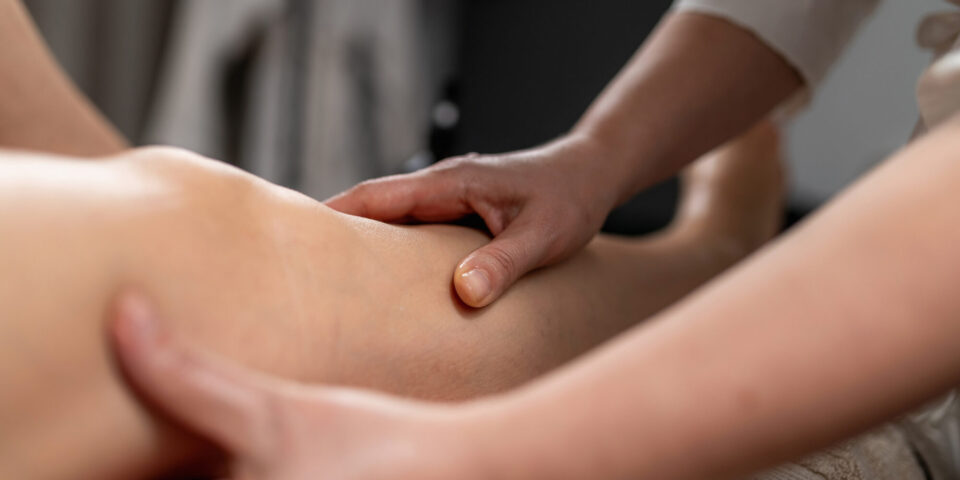
“Post-surgical lymphatic drainage is very different from traditional massages,” said Berry. “I use light, slow movements instead of deep pressure or focus on muscles.”
The goal of this type of massage is to support the lymphatic system, encourage fluid movement and help with the swelling and tightness patients often experience after surgery.
Why might lymphatic drainage be recommended as part of recovery after plastic surgery?
“Swelling is a normal part of surgery, which temporarily interferes with the body’s normal lymphatic pathways,” said Berry. “Lymphatic drainage massage helps support that process by encouraging fluid movement through the body.”
Berry noted that patients often tell her they feel less swollen and tight and more comfortable after massage.
How can gentle lymphatic techniques help support swelling and fluid management during recovery?
“I always explain that we’re not trying to force fluid out of the body,” said Berry. “Using very light, rhythmic movements, I’m encouraging fluid toward functioning lymphatic pathways so the body can naturally process it.”
You should ideally feel less uncomfortable ‘tightness’ or less ‘full’ afterward.
Are there particular procedures after which patients may benefit from lymphatic drainage?
Lymphatic drainage for massage is often recommended for recovery after surgical procedures more likely to cause swelling or involve larger areas of the body.
This could include:
- Liposuction
- Abdominal surgeries
- Tummy tuck/abdominoplasty
- BBL
- “Mommy makeover” surgeries
- Body lift
- Arm lift
- Thigh lift
- Breast reduction or mastectomy
- Breast lift
- Breast augmentation
- Multiple procedures performed simultaneously
- And more
What can a patient expect during their first post-surgical lymphatic drainage appointment?
“The first appointment is all about getting to know the patient and their recovery experience so far,” said Berry. “I want to know what procedure you had, when you had it, what your surgeon has recommended and how you’ve been healing.”
Berry also noted that your massage therapist should be looking at things like swelling, bruising, incisions, drains when appropriate, compression, mobility and your overall level of comfort. Education is a big part of the appointment too, because what you’re doing at home is just as important for your recovery.
When is it generally appropriate to begin lymphatic drainage after surgery, and how does timing vary by procedure and patient?
“This really depends on the procedure, the patient and their surgeon’s recommendations,” said Berry. “Having the surgical team clear you for lymphatic drainage is always important.”
Depending on what procedure you had and how well you’re healing, your massage therapist may be able to begin lymphatic drainage massage as early as 48 to 72 hours after surgery.
How do you personalize treatment based on the patient’s surgery, healing progress and individual needs?
“No two people are alike when it comes to recovery after surgery, even if they’ve had the exact same procedure,” said Berry. “In my case, I look at where the swelling is, incision healing, bruising, tenderness, mobility, compression and the surgeon’s instructions.”
Your massage therapist should also be asking how you felt after your last massage. Did you urinate more, do you feel more relaxed or more energetic? Your treatment may need to change as your body heals.
How can massage therapy support scar and tissue care, including education around scar creams and silicone tape?
“When it comes to scar care, timing and consistency are really important,” said Berry. “Once the incision is completely closed and the patient has been cleared, we can talk about things like scar massage, silicone scar cream and silicone tape, even belly button shapers for abdominoplasty patients.”
Scars continue changing for months, so scar care is an ongoing process where consistency matters.
What role can compression garments play in recovery, and how can you help patients with proper use and fit?
“I’m a big believer in compression when it’s recommended by their surgeon,” said Berry. “The right compression can help manage swelling, provide support and improve comfort during recovery.”
Your massage therapist may also be able to help you with fit and placement, as compression garments should feel snug and supportive, not painful or overly restrictive.
What symptoms or changes during recovery should prompt a patient to contact their surgical team rather than simply scheduling a massage?
“Massage is not a replacement for the surgical team,” said Berry. “If you notice a sudden increase in swelling, worsening redness or warmth, incision changes, drainage, fever, increasing pain or unusual skin discoloration, contact your surgical team.”
If something just doesn’t feel right, reach out to your surgeon first. You always know your body better than someone else.
What’s one piece of advice you would give someone preparing for plastic surgery to help them plan for a comfortable, supported recovery?
“My biggest advice is to plan for your recovery just as much as you plan for your surgery,” said Berry. “Have your help at home, medications, compression, comfortable sleeping area, transportation and any assistive devices (shower chair, commode, grabber) you may need ready beforehand.”
If you’re considering post-op massage for lymphatic drainage, talk to your surgeon before surgery so you can have a plan in place.
Berry noted that many people forget to plan ahead for the cost of ongoing recovery care, but it’s important to research beforehand and be ready. Some will invest thousands on their surgery but not think about investing in the time spent recovering. Giving your body time to heal is not a race, and everyone heals differently.
What do you wish more patients knew before their first lymphatic drainage appointment?
“I wish more patients knew that everyone’s recovery is different,” Berry said. “Social media can make it seem like swelling should disappear quickly or that everyone needs a certain number of massages, or even that you physically see the fluid shoot out your body. That’s simply not how it works.”
Berry added that she always tells her patients to come prepared to share every detail. The more your massage therapist knows about your recovery, the better they can personalize your treatment.
Love the skin you’re in at any age
We all deserve to look and feel our very best. Our board-certified plastic surgeons and expert aestheticians provide natural-looking results from head to toe.
Learn More