

Living with breast cancer at a young age: Advice for women in their 20s and 30s
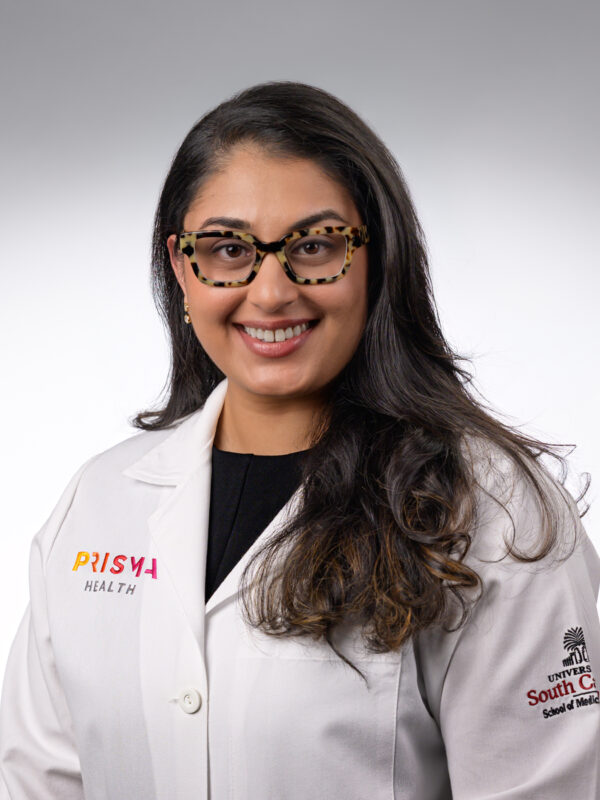
Receiving a diagnosis of breast cancer at a young age can feel like a lightning strike. No one you know is dealing with the same thing. What does this mean for your plans for your career? Should you have chemo? What happens next? Surgical oncologist Neelam Mulji, MD, offered information and advice for women living with breast cancer in their 20s and 30s.
How common is it to be diagnosed with breast cancer before age 35?
“Being diagnosed with breast cancer in your 20s and 30s is uncommon, but it does happen,” said Dr. Mulji. “Currently, the SEER national database quotes about 2.0% for those from 20–34 years old and 8.6% for those between ages 35 and 44.”
Those numbers are low, but being young doesn’t mean you should dismiss a breast mass or any of the other potential signs of breast cancer, including:
- Changes in the color of the skin on your breast, such as turning pink, red, brown or purple
- Dimpling or other textural changes such as peeling, flaking or a “scaly” appearance
- Discharge from the nipple
- A change in the size, shape or overall appearance of your breast
- Unexplained weight loss
- Fatigue
Are there any differences in what treatments for breast cancer tend to be most effective based on age?
“Age itself doesn’t determine the treatment or what will be most effective,” said Dr. Mulji. “The biology of the cancer does, basically the size of the tumor, if it responds to hormones like estrogen or progesterone, HER2 status, differentiation of the tumor, lymph node involvement, genetic mutations and the patient’s overall health and personal goals.”
Age does factor into the choice of which treatment will be most effective and best tolerated, but it’s just one piece of the puzzle.
What are some unique issues that young women with breast cancer may face compared to their peers?
“Fertility is often a strong concern for younger women who receive a breast cancer diagnosis,” said Dr. Mulji. “Chemotherapy can affect ovarian function and fertility, so we heavily recommend discussing family planning at the initial visit.”
Having that discussion on fertility and how your cancer treatment might affect your ability to have children doesn’t mean you have to make any permanent decisions right away. It’s always helpful to know about your options, such as egg or embryo freezing, as early as possible to give you time to consider and decide what works best for your plans for your future.
“There’s also often a lot of concern about early menopause for those who have hormone receptor positive cancer, meaning that their cancer responds to hormones,” said Dr. Mulji.
If you undergo endocrine therapy, sometimes called anti-estrogen therapy or hormonal therapy, it helps to reduce the chances of your cancer coming back and increases your survival rates, but it can cause symptoms of menopause such as hot flashes, menstrual changes, vaginal dryness, libido changes and sleep disturbances.
While it’s part of the treatment for breast cancer, there are treatments we can offer to help with these side effects.
Why do some young women choose breast reconstruction surgery and others don’t?
“Honestly, there’s no single right choice. It truly depends on what is right for you as well as what will be most effective when it comes to getting rid of the cancer,” said Dr. Mulji.
Breast reconstruction is an option to reconstruct the breast mound after a mastectomy. The two main types are autologous, using your own tissue, or implant-based reconstruction. Reconstruction provides a breast shape under clothing and serves as an important part of identity and sexuality for many women of any age.
Other women may choose not to undergo reconstruction. Making that choice may mean a shorter recovery time, avoid additional procedures, minimize scarring, avoid potential reconstruction complications or simply feel more comfortable.
“Reconstruction is about what the patient wants, not the surgeon, partner, family or society,” said Dr. Mulji. “My job as a breast surgeon to is to explain the options honestly and help the patient understand tradeoffs. At the end of the day, I want her to feel comfortable and confident with her body, during and after her cancer treatment.”
Facing breast cancer while young can be isolating, but you’re not alone
“One thing I’ve noticed with younger women is that receiving a diagnosis like breast cancer so young can feel immensely isolating for them,” said Dr. Mulji. “It changes up your perspective on your life and what it means to look to the future. What seemed like top priorities before your diagnosis may seem much less important now, and that can make you feel as if you’ve been set apart from your peers or like you struggle to relate to them.”
Check in with your care team on options for support you may not be aware of, like survivorship groups or local and national support groups.
“Treating the cancer is only part of what your care team is there for,” Dr. Mulji said. “I also want to understand who my patients are outside of their diagnosis. I listen to their plans for a family, their career, their relationships, their body image and the life they want to return to.”
For young women especially, those conversations matter. Fertility, menopause, sexuality, reconstruction, emotional health and survivorship are not “extra” concerns, but an integral part of comprehensive cancer care.
“There is no single right way to navigate breast cancer,” added Dr. Mulji. “The best treatment plan is one that is medically appropriate for your individual cancer, while also respecting and recognizing you as a person.”
Schedule your mammogram
To accommodate your busy schedule, many of our Breast Health Center locations offer early morning and late afternoon hours for breast imaging procedures. No physician referral is needed for those 40 and older.
Schedule a Mammogram