

New CDC vaccination guidelines for children: What parents should know
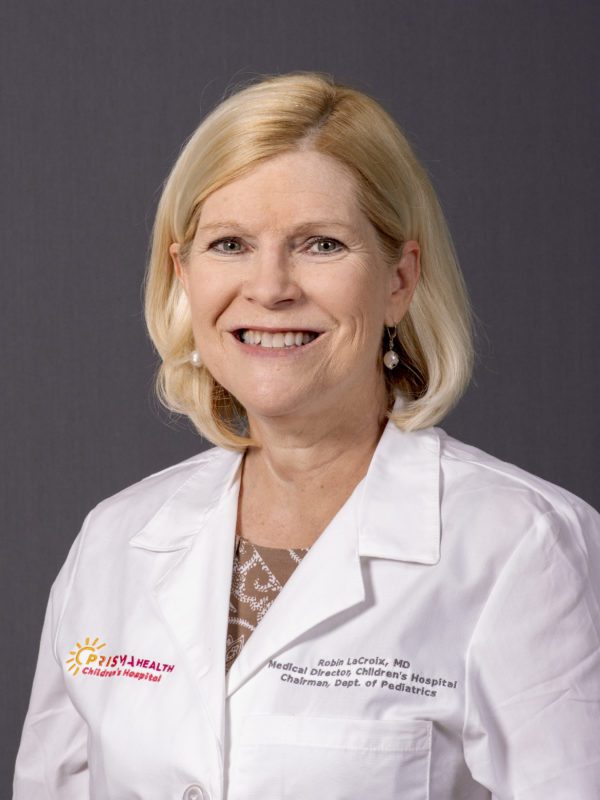
“Much of that change was driven by focus on diseases that particularly affect children but also have long-lasting implications for adult health as well,” said Dr. Lacroix. “The immunization schedule has been developed and continues to evolve over time as new vaccines become available, new diseases come on to the forefront and we need ways to prevent or mitigate their disease-causing properties.”
As such, the new CDC guidelines don’t quite match what evidence-based medicine and ongoing research has proven, but they still maintain the basic vaccine schedule parents are used to.
“Medical providers like pediatricians have always talked to families about the immunizations recommended by the American Academy of Pediatrics and other organizations,” said Dr. Lacroix. “There are certainly vaccines that many parents received as young children, their peers received those vaccines as well and they really took devastating diseases like meningitis, severe pneumonia, whooping cough and measles to very, very low numbers around the country.”
Vaccine hesitancy has advanced, leading people to choose not to immunize their children. Some parents only choose to avoid some vaccines, while others avoid vaccinating their children entirely. The result has been the return of measles, formerly considered eradicated in the United States, as well as other nearly-vanished childhood diseases making a comeback.
“We’ve seen increasing cases of pneumococcal disease, which causes severe pneumonias, increased meningitis outbreaks, measles outbreaks and more,” said Dr. LaCroix. “These diseases were previously at very low levels, because of widespread vaccine use.”
The most significant changes in the CDC vaccination guidelines moved some vaccines into either risk-based or shared decision-making. Dr. Lacroix noted that physicians have always gone through the reasons for vaccines, what the benefits of receiving the vaccines are and what side effects could potentially be expected.
“This has always been a shared decision-making process,” said Dr. Lacroix. “RSV is a good example. The vaccine for RSV is an injectable, but provides an antibody to help protect babies through the first six months of life, when they are most vulnerable to the severe complications of the disease. We know that 100% of children will acquire RSV by age three. Those who get the vaccine have immune systems better able to respond to the disease, fewer complications and they aren’t hospitalized at the rates that unvaccinated children are.”
Every parent wants what’s best for their children and wants to make the choices that keep those children safe. While the CDC has changed its guidelines, it did not provide evidence to support those changes, claiming it based them on looking at vaccine schedules in other countries. The American Academy of Pediatrics has announced their own schedule remains unchanged. You can see the AAP’s recommended childhood vaccination schedule right here.
“We know that vaccines have been one of the most impactful health initiatives ever to become available worldwide,” said Dr. Lacroix. “We know vaccines are safe, that they are effective, they are monitored heavily and continue to show results in preventing childhood illnesses that children’s lives were lost to in years past. The focus on prevention leads the conversation, of course, but think of vaccines as choosing to prevent a car accident before it happens, rather than waiting and hoping it won’t be a bad one.”
Get kid-friendly care
Our pediatric experts can help your kids and teens be their healthiest.
Find a Pediatric Doctor