

Beyond building muscle: Orthorexia and exercise
The stereotypical image of an eating disorder has long been of a person obsessed with counting and cutting calories to dangerous or even fatal results. Bulimia, often marked by cycles of binging and purging, is also fairly well known. Orthorexia, however, is often misunderstood or even wholly unknown.
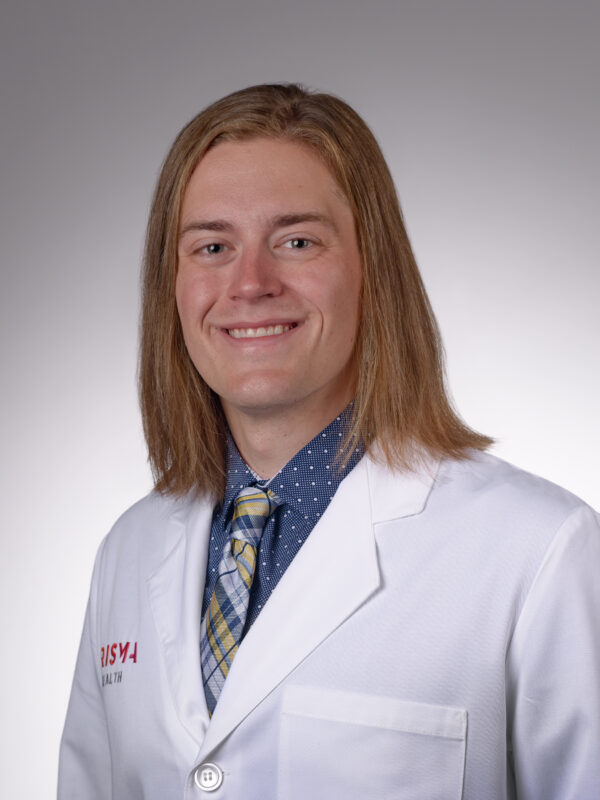
Child and adolescent psychiatrist Seth Lapic, DO, explained what orthorexia is and how social media can intensify the harm orthorexia may cause.
How does fitness or exercise fit in with the definition of orthorexia?
“Orthorexia often centers around a focus on whether a food is ‘clean,’ only eating very narrow groups of ‘healthy’ foods or on hitting certain exercise goals that go above and beyond what supports health and could actually lead to malnutrition or injury,” said Dr. Lapic. “Those involved in fitness have shown higher scores for orthorexia than those who aren’t.”
This may be driven by a need to reach performance-centered goals, or a focus on achieving a specific kind of ‘aesthetic,’ or image. While eating well and staying active is an integral part of overall health, orthorexia takes those admirable goals and turns them into obsessive focus and compulsion.
What role does social media play in orthorexia?
“The internet and the way social media are embedded into our daily lives has led to the spread of dietary fads and fitness trends that tend to place too much importance on specific, narrowly defined eating habits or getting ‘the right’ kind or amount of exercise,” said Dr. Lapic.
The push for “clean eating” is one that is seen regularly. Social media influencers may show off pantries full of the ‘clean’ foods they allow in their house or brag about how they don’t eat anything that isn’t a vegetable or lean protein, while conveniently keeping out of frame any foods that don’t suit their online image, leading their viewers to believe that’s all they eat or the only way to eat and be ‘healthy.’
Even worse, some diet or exercise trends make health claims that either aren’t supported by any sound science or which are just patently false. These claims can spread rapidly and become widely believed.
“Algorithms, or the way that your social media feed will consistently show you more and more extreme versions of whatever type of content you interact with, can lead to hyperfocus and over saturation, making people feel that these trends are more widespread or important than they actually are,” added Dr. Lapic.
What are some signs of fitness-based orthorexia?
“One of the most common signs of orthorexia is an intense focus on the purity of food you’re eating or its quality,” said Dr. Lapic. “People with orthorexia may find themselves agonizing over the nutritional contents or putting in place strict dietary restrictions or rules around when they are ‘allowed’ to eat, what they eat or how much.”
These thoughts usually have a significant impact on daily life, resulting in anxiety and distress if you deviate from these standards. These obsessions can have negative impacts on someone’s social or work life and their ability to easily interact with those around them.
Other signs of orthorexia include:
- Cutting out an increasing number of food groups (no more sugar, then low-carb, then no-carb, then no-dairy, etc.)
- Intense interest in what others are eating and whether it’s ‘healthy’ enough
- A sense that anything less than perfect adherence to their ‘allowed’ diet is a failure
- Stress or anxiety over what foods might be served at upcoming events
- Intense fixation on certain types or amounts of exercise
- Exercising excessively to fit an internalized standard or match influencers seen on social media
What kinds of health problems can orthorexia cause over time?
“Over time, there can be problems that arise to both our physical and mental health,” said Dr. Lapic. “There may be less participation or enjoyment in social activities, as these activities may cause distress when they do not fit into the rigid dietary standards.”
This increasing fear or anxiety could lead to a loss of social connections and loneliness.
Rigid dietary standards can lead to nutritional deficiencies, resulting in potential complications that include osteoporosis, impaired immune function or malnutrition. Someone focused on only eating ‘clean’ based on a definition pushed by online trends could end up eating raw foods that have significant risks for foodborne illness.
How to treat orthorexia
“There are ways to treat orthorexia nervosa,” said Dr. Lapic. “This includes providing psychoeducation, utilizing cognitive behavioral therapy to target maladaptive thoughts and behaviors, exposure and integration to avoided foods and nutritional counseling. “
Dr. Lapic added that involving your friends or family groups in your recovery can reduce isolation and make you feel far more supported, understood and help keep you accountable.
Find a doctor
Whether you’re looking for a primary care physician or need to see a specialist, we’re here to help with experienced, compassionate care near you.
Find a Doctor