
Cosmetic procedures later in life: Enhancing natural beauty in your 60s and beyond
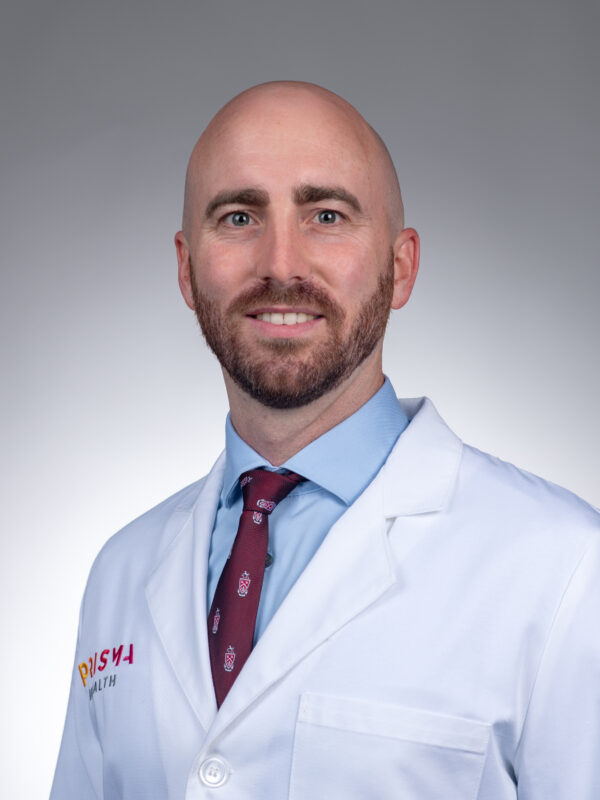
In the final entry in our series on common cosmetic procedures at every age, plastic surgeon Steven Schneeberger, MD, turns to looking into cosmetic procedures later in life, from your 60s and beyond.
The rest of our series is available here (teens and young adults), here (30s) and here (40s and 50s.)
What are realistic expectations for cosmetic procedures later in life?
“Cosmetic procedures later in life can soften and refresh your appearance, but there just isn’t a way to reverse aging entirely or recreate a face from decades earlier,” said Dr. Schneeberger. “Instead, we focus on looking healthy, well-rested and vibrant, rather than dramatically different.”
The goal is always to enhance, not to transform, maintaining the unique character and natural expressions of each individual. Subtle, harmonious improvement tends to yield the most satisfying results. Dr. Schneeberger said those who embrace these boundaries consistently reported the greatest sense of confidence and well-being after treatment.
How do safety and recovery considerations change with age?
“Older adults often have medical considerations such as cardiovascular conditions, medications like blood thinners and slower healing,” said Dr. Schneeberger. “Because of this, it’s essential to have thorough medical evaluations, plan out all your treatments carefully in advance and utilize shorter procedures, maybe performing them in stages rather than all at once.”
Depending on the health risks involved, noninvasive or minimally invasive treatments may be preferred. Safety becomes the top priority when recommending treatment.
How do you choose a qualified and trustworthy provider?
“When you’re looking into cosmetic procedures later in life, it’s essential to fully trust your provider and know that they have your health and interests in mind,” said Dr. Schneeberger. “A trustworthy provider should be a board-certified or board-eligible plastic surgeon with specialized training in the procedures they perform. They should practice in accredited surgical facilities and maintain the highest standards of safety and professionalism.”
A reputable plastic surgeon will happily communicate with you about the potential benefits and limitations, possible complications or risks as well as expected results and will never pressure their patient into unnecessary treatments.
Dr. Schneeberger offered one final piece of advice:
“Ultimately, the right surgeon for you is one who prioritizes patient wellbeing, ethical decision-making and natural, high-quality results that align with each individual’s goals.”
Love the skin you’re in at any age
We all deserve to look and feel our very best. Our board-certified plastic surgeons and expert aestheticians provide natural-looking results from head to toe.
Learn More