
Does poor air quality hurt your health?

As the number and seriousness of wildfires increases throughout North America, more and more people are finding themselves facing poor air quality warnings. But what exactly makes air quality poor or hazardous, and what can you do to keep your family safe and healthy? Dan Matthews, MD, offered some advice on how to combat poor air quality due to wildfires, pollen or pollution.
What causes poor air quality?
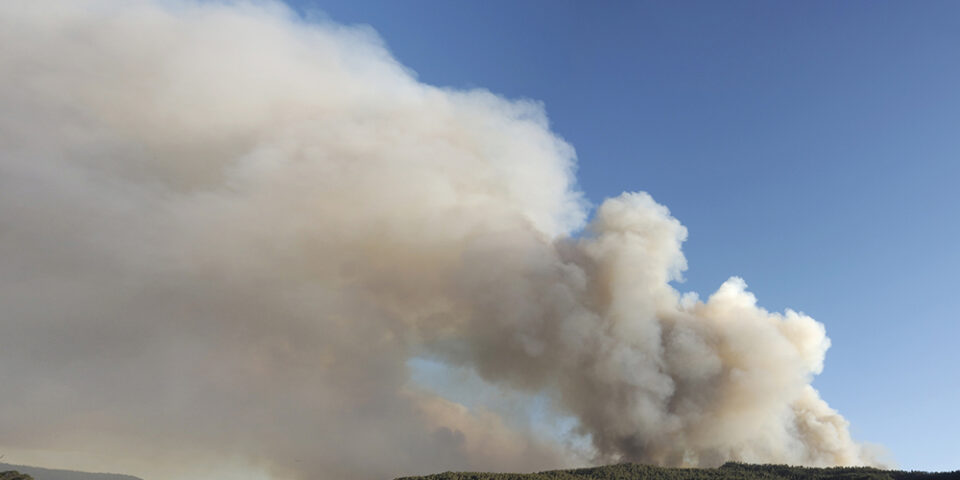
Recent problems with air quality have been caused by wildfires, with large fires over the last few years forming out west, in Canada and in the southeastern United States, but wildfire smoke has been a continuing concern for much longer than that. Smoke from fires rises into the atmosphere, where the wind moves it from its original location to affect places hundreds of miles away.
“While pollution within cities can also lead to warnings for the especially vulnerable to stay indoors and for everyone to minimize outdoor labor, wildfire smoke is more toxic than so-called ‘normal’ air pollution and can stay in the air for weeks at a time,” said Dr. Matthews.
Wildfire smoke contains very fine particles that are smaller than those in typical urban pollution, along with higher levels of oxidative and inflammatory chemicals, which is why it can be especially harmful to breathe.
What health problems can poor air quality cause?
Depending on the contents of the smoke or pollution in the air, you or your loved ones may experience a variety of different symptoms as you breathe and go about your regular day. Symptoms of poor air quality can include:
- Headaches
- Dizziness
- Difficulty breathing
- Fatigue
- Irritation of the throat, eyes and skin
- Coughing and wheezing
“Inhalation of smoke from wildfires has also been linked to higher rates of heart attacks, strokes, cardiac arrhythmias and increased emergency room visits for respiratory conditions like asthma or COPD,” said Dr. Matthews. “It has also been linked to health problems in pregnant people, including risks of low birth weight and preterm birth, and it raises the risk of developing lung and brain cancers when compared to people who haven’t been exposed to the smoke.”
Who is most vulnerable to getting sick because of poor air quality?
As with many other health issues, those who are most at risk include:
- Elderly and older adults
- Pregnant people
- Infants and children (who breathe faster relative to their body size and have less mature lungs and immune systems)
- People with weakened immune systems
- Outdoor workers, who face greater exposure
“We also caution people who are treating ongoing pre-existing lung or heart conditions, like heart disease, asthma or COPD, that they face a greater risk of health problems as a result of wildfire smoke and air pollution,” said Dr. Matthews.
How can you keep your family safe and healthy during poor air quality days?
Dr. Matthews’ advice on how to prevent the health effects of poor air quality included:
- Monitor air quality within your location using local news outlets, the Weather Channel, or the EPA’s AirNow website (airnow.gov), which provides real-time Air Quality Index (AQI) readings for your area.
- Limit your time outdoors as much as possible, and avoid exertion or heavy physical activity when outdoors.
- Keep windows and doors closed to minimize the outside air coming in.
- Keep your air conditioner set to “on” and switch out your current air filters for new ones. If possible, use higher-rated filters (MERV 12 or 13) for better protection.
- Use HEPA air purifiers indoors if you have them — these can reduce indoor fine particle levels by 54–92% and are one of the most effective ways to protect yourself. Place them in the rooms where you and your family spend the most time, such as bedrooms.
- Wear a properly fitting N95 mask if you must go outdoors, to filter fine particles out before you breathe in the air. Note that the mask must fit snugly to be effective, and it does not filter out all gases and chemicals in smoke.
- Use your A/C “recirculation” button within your car to avoid pulling in outside air.
- Trust your senses: If you can see or smell smoke, take protective action even if you haven’t seen an official warning.
“Keep in mind that pets can also be vulnerable to respiratory or other problems as a result of poor air quality,” said Dr. Matthews. “If you see air quality warnings suggesting you stay indoors, keep your pet indoors as much as possible, too.”
When to seek medical attention
If you or a family member experiences worsening shortness of breath, chest pain, persistent cough, or an asthma flare-up during a poor air quality event, seek medical attention promptly. People with pre-existing heart or lung conditions should have an action plan in place and ensure they have an adequate supply of their medications before wildfire season begins.
Find the care you need, close to home
Our primary care physicians provide well visits and everyday care when you need it with compassion and expertise.
Find Primary Care Near You