
How is robotic surgery used in gynecology?

In obstetrics and gynecology, advancements in technology like robotic surgery have created a big change in recovery times and ease of treatment. OB/GYN Triz Smith, MD, answered questions on robotic surgery in gynecology and how it can be used to treat endometriosis and more.
What is robotic surgery?
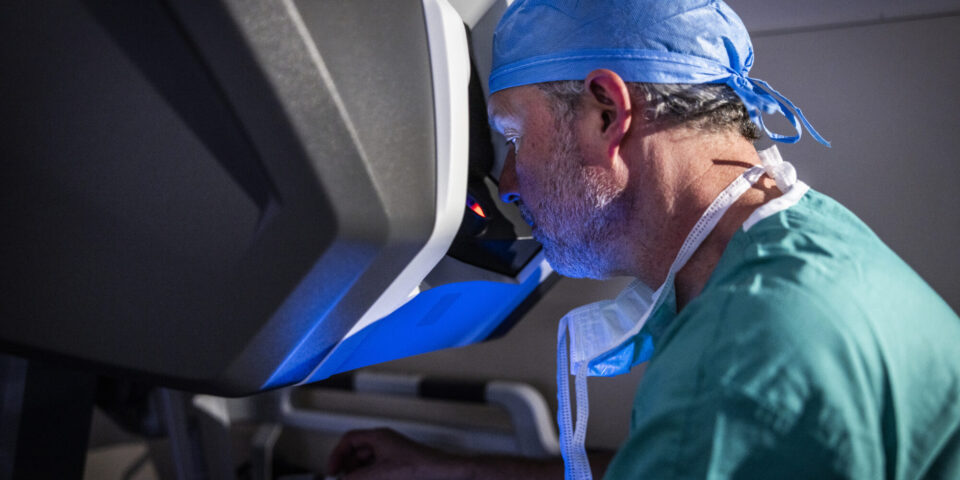
“Robotic surgery is a technique that uses a system that includes robotic ‘arms’ with a camera and surgical instruments attached,” said Dr. Smith. “The surgeon controls the system and sees a high-definition view of the surgical site using the camera.”
While the surgeon operates the robotic system, other members of the surgical team are there to assist with the operation and care for the patient, who is under anesthesia.
How is robotic surgery used in gynecology?
“Robotic surgery is really helpful for a variety of conditions and procedures in gynecology,” said Dr. Smith.
He noted that robotic surgery can be used to perform procedures including:
- Hysterectomy: The partial or full removal of the uterus, sometimes recommended as part of a treatment plan for gynecological cancers, severe endometriosis, adenomyosis and other conditions
- Endometriosis surgery: Allows the surgeon to remove endometrial tissue growing outside the uterus
- Ectopic pregnancy: Robotic surgery can help remove the nonviable pregnancy from the fallopian tube or wherever it implanted outside the uterus with minimal damage to tubes
- Ovarian surgery: May be performed to remove cysts or tumors or to treat conditions like pelvic inflammatory disease or ovarian torsion
How is robotic surgery in gynecology different from traditional surgery?
“In robotic surgery, the robotic system is what moves the instruments at the direction of the surgeon,” said Dr. Smith. “Since the system can make smaller and more precise movements, there’s less pressure on the lining of the abdominal cavity and usually a smaller incision site, which results in less pain during recovery.”
The ability to see the surgical site highly magnified also makes it easier for surgeons to take note of small details that might be more difficult to see during traditional surgery.
Are there benefits to using robotic surgery to remove fibroids?
“In a myomectomy, surgeons remove fibroids, or a kind of noncancerous tumor that can grow within the uterine tissue, on the outside of the uterus or simply within the cavity of the uterus itself,” said Dr. Smith. “While it’s possible to have a single fibroid, many of our patients show multiple growths.”
Dr. Smith noted that patients who undergo robotic-assisted surgery tend to experience less pain afterward and will likely have much smaller incisions that heal more quickly. Surgeons can use the robotic camera to help in repairing the uterus after the fibroid removal is finished, and complications are less likely.
Is robotic surgery used for treating endometriosis?
“Endometriosis isn’t always present just directly around the uterus,” said Dr. Smith. “Endometrial tissue can sometimes attach itself to nearby organs like the bladder or bowels or, rarely, outside the pelvic area. That’s where the visualization really comes into play.”
Using the camera on a robotic arm allows surgeons to take a closer look, so they can excise the endometrial tissue with less risk of damage to the surrounding area.
How does it change recovery timelines?
“One of the most striking results from the shift into robotic surgery has been how it changed up timelines for full recovery,” said Dr. Smith. “Surgeries that involve incisions within the abdomen can result in lengthy recovery times, but robotic surgery has led to people often able to head home the same day as the surgery and return to work in one or two weeks.”
Previously, gynecological surgeries might include a hospital stay of two or three days, with patients unable to return to work for up to two months after.
When is robotic surgery in gynecology the right choice for treatment?
“This really comes down to a conversation between each surgeon and the patient,” said Dr. Smith. “There’s no one-size-fits-all treatment for gynecological conditions. Speak with your doctor about robotic surgery and whether or not it would benefit your unique medical situation.”
Find an OB/GYN provider who’s right for you
When you’re ready to grow your family, choosing the right provider is important. Learn more about our obstetricians, midwives and nurse practitioners.
Find a Provider