
If you can’t get a GLP-1 for weight loss, what are your options?
While weight loss medications like GLP-1s become more common as part of a treatment plan for obesity, medication won’t be the right choice for everyone. If you aren’t able to get GLP-1s for weight loss, what options are available to ensure you can still manage your weight?
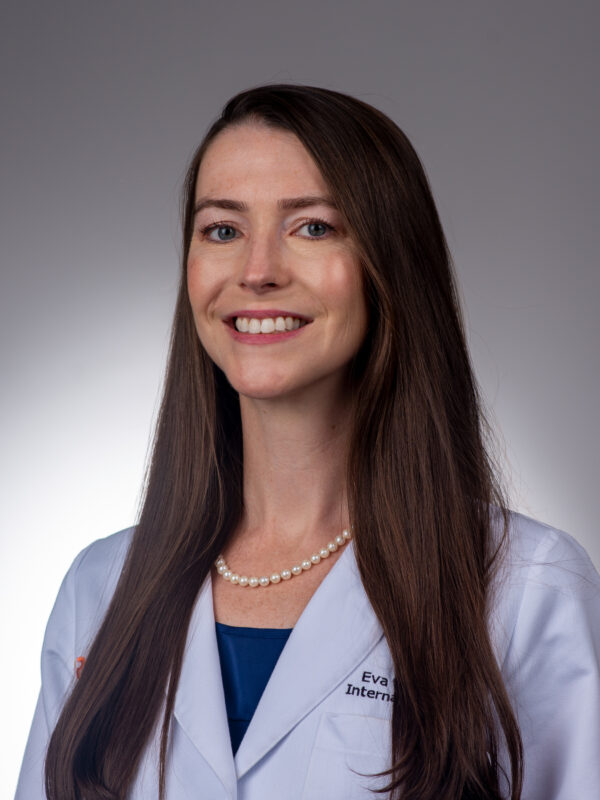
Dr. Eva Wolf, a specialist in obesity medicine, spoke with us on how weight loss medications work, what other medication options there are beyond those most commonly seen in the news, weight management programs that emphasize exercise, why compound weight loss medications might not be the right choice and more.
Transcript
Joey Wahler (Host): There are a hot topic right now, so we’re discussing GLP-1 medications. Our guest is Dr. Eva Wolf. She’s an internal medicine physician and board-certified in obesity medicine. This is Flourish, a podcast from Prisma Health. Thanks so much for joining us. I’m Joey Wahler.
Hi, Dr. Wolf. Welcome.
Dr. Eva Wolf: Hello. Thank you.
Host: Thank you. We appreciate the time. So first, as you well know, GLP-1s are everywhere in the news these days, but who are they actually intended for? And what do we mean by correct use of a GLP-1, medically speaking?
Dr. Eva Wolf: Well, these medicines first came around as a treatment for type 2 diabetes, and they’re widely used for that indication. When we hear Ozempic and Mounjaro, those names fall in that category. But under different brand names for those active ingredients, they have FDA approval for treating excess weight. And so, that would be people who have a BMI of 30 or more, or people with a BMI of 27 with one or more weight-related health conditions. Those have the same ingredients as the diabetes medicines, but they have different doses. They’re increased as needed to control hunger, not increased for a glucose target like the diabetes formula.
Wegovy also has an approval for treating fatty liver and preventing further heart or stroke events in people with a personal history of stroke or heart attack, and Zepbound has an approval for moderate to severe sleep apnea in people who also have obesity.
Host: And when we talk about the reasons someone might be unable to access or use a GLP-1 medication, what would some of those be?
Dr. Eva Wolf: Those indications I talked about earlier, those drive the insurance coverage. Your insurance company can decide to include or exclude those medicines, and they decide which indications they’ll cover the medicines for. They may choose to cover Ozempic. But if you do not have type 2 diabetes, they won’t cover the medicine for you. They may fully exclude Wegovy or Zepbound for treating obesity, but they may cover it for sleep apnea or fatty liver, or history of heart indications.
Host: Gotcha. And so, naturally, if someone isn’t fully insured, then cost becomes an issue, right?
Dr. Eva Wolf: That’s right. So, people can cash pay for these medicines, but that’s not affordable for many people.
Host: How about side effects? How much of an issue can that be?
Dr. Eva Wolf: Certainly some people just don’t tolerate those medicines, because they do have some side effects of nausea or constipation, and that can be variable in each person. So, it may be a good fit for some people, but for some people they don’t tolerate it well.
Host: How about medical incompatibility with an existing matter or condition that a patient is dealing with?
Dr. Eva Wolf: You’re right. If someone has a history of pancreatitis or a family history of a rare type of cancer, medullary, thyroid carcinoma, they can’t use these medicines.
Host: And then, supply issues are sometimes a factor too, right?
Dr. Eva Wolf: You are right. And that can be tricky because these medicines need to be dosed appropriately. We don’t want to stagnate at a dose that’s too low or we don’t want a gap between doses where someone might get more side effects when they get the medicine back. So, it’s a tricky balance. These are good medicines, but there are some things that could get in the way of using them.
Host: Yeah. Balance is definitely a good word there on your part. So, if a GLP-1 therapy is not available, what would you say the first step is that patients should take when seeking real evidence-based medical weight loss care?
Dr. Eva Wolf: The first step is to get a workup to find out if you actually do have any of those health conditions we talked about earlier. Many people have diabetes, sleep apnea or fatty liver disease. But if they haven’t been tested yet, you may have no idea.
Host: How about other FDA-approved anti-obesity medications that are available, and how do clinicians decide like yourself, which is the best fit for a patient?
Dr. Eva Wolf: There are a couple. So, Qsymia Is a brand name that’s a combination of phentermine and topiramate. It combines an older weight loss drug you may be familiar with called Adipex. That’s a stimulant and it combines with another medicine to help the Adipex work better. That combination’s approved for chronic weight management and does not have the prescription time constraints like the Adipex does alone.
That one works like an appetite suppressant. It helps with cravings as well but because it increases your heart rate, can increase your blood pressure, could cause insomnia or dry mouth. It may not be a good fit for all people. And we can’t use it in people with certain heart conditions. And women of childbearing potential need to be using a reliable birth control method if they want to use that medicine.
Another FDA approved anti-obesity medicine would be Contrave. That’s a combination of an antidepressant, Wellbutrin, bupropion and an opioid receptor antagonist, naltrexone that helps reduce appetite and cravings. Bupropion, Wellbutrin works so well for cravings. We also use that to help people quit smoking. The naltrexone component, that works so well for cravings. We use that for people who even struggle with stopping alcohol.
Host: So, how do medical weight loss clinics personalize treatment plans beyond medication? Because in the big picture, there’s more to it than just that, right?
Dr. Eva Wolf: We always start by taking a detailed history. All the questions we ask help discover those weight-related conditions you may have, or what issues we need to target with medication. Is your problem excess hunger or cravings? What time of day are they troubling you? We have different tools for each of those targets. But many times, the issue is gaps in nutritional knowledge. So, attending nutrition classes or working directly with a dietician can help guide dietary choices while building confidence.
And we screen nearly everyone for sleep apnea, because it’s widely underdiagnosed. We encourage everyone to aim for an ideal sleep duration and quality because that impacts our hunger signaling.
For physical activity, step tracking is an accessible first step. We discuss any barriers to increased movement and troubleshoot alternative movements. I also refer to a formal exercise program where patient’s can work with a trainer in a small group setting to safely initiate exercise.
Host: So, what role do older or non-GLP-1 medications still play these days in modern obesity treatment? And who would you say tends to respond well to those?
Dr. Eva Wolf: Those stimulant medicines like phentermine, Adipex, that’s great for that younger, otherwise healthy patient who hasn’t developed the complications of weight yet. So, that person who does not have hypertension and just needs help controlling daytime hunger and cravings.
Then, metformin, which is an old medicine for type 2 diabetes, is fabulous for those with insulin resistance. So, that may look like a woman with PCOS or someone entering menopause and having new weight challenges in this life change.
Host: Doctor, since we’re talking about doing this all properly as a patient, how can they avoid unsafe or ineffective weight loss trends when GLP-1 meds are out of reach?
Dr. Eva Wolf: I definitely advise against using what they call compounded GLP-1 medications, because you have no idea of their origin and the dosing can be incorrect. And I definitely recommend talking to a trusted weight management specialist before embarking on any type of fad diet, just to know if that’s safe for you. And not all providers have extra training in weight management, so your PCP may need to refer you out to one who does.
Host: When should someone consider escalating from medical weight loss to metabolic or bariatric surgery, if medications, including these GLP-1 alternatives are ineffective?
Dr. Eva Wolf: Metabolic and bariatric surgery is a good tool for those who have significant weight to lose to improve their health. That surgery works to control hunger and craving signals, so you’re able to stick to a healthier diet. It even helps quickly control type 2 diabetes even before the weight loss kicks in. That’s why they call it metabolic and bariatric. That procedure raises your natural GLP levels.
So, more about surgery. It’s recommended for individuals with a BMI over 35, and it can even be considered for individuals in a lower BMI category with severe obesity-related conditions like type 2 diabetes, hypertension, fatty liver. Some don’t know that gastric bypass is actually very helpful for reflux and can even reverse a precancerous condition called Barrett’s esophagus.
Host: And so in summary here, Doctor, you’ve done a great job breaking down all the details. What’s the main message for those joining us about non-GLP-1 options here? What should people keep in mind?
Dr. Eva Wolf: I’d say don’t give up hope if you can’t get a GLP-1. There are many options out there. And remember, these medicines are just tools to help you manage hunger and cravings so you make some serious lifestyle changes and getting a certain medicine doesn’t hold you back from starting those steps. We just want to make one healthy choice every day and keep building on that.
Host: Yeah, It’s definitely just a piece of improving your overall lifestyle moving forward. Folks, we trust you are now more familiar with GLP-1 options. Dr. Wolf, great advice indeed. Thanks so much again.
Dr. Eva Wolf: Thank you.
Host: And for more information, please visit prismahealth.org/flourish. If you found this podcast helpful, please do share it on your social media. I’m Joey Wahler. And thanks so much again for being part of Flourish, a podcast from Prisma Health.
Read MoreFind a doctor
Whether you’re looking for a primary care physician or need to see a specialist, we’re here to help with experienced, compassionate care near you.
Find a Doctor