Navigating life after stroke
Life after stroke can be challenging or frustrating, but it can also be a hopeful journey toward recovery alongside caregivers and loved ones. While most information on strokes focuses on the signs and symptoms to watch for and the care you’ll receive in the immediate aftermath, there’s just not as much out there about what happens after you’ve been treated.
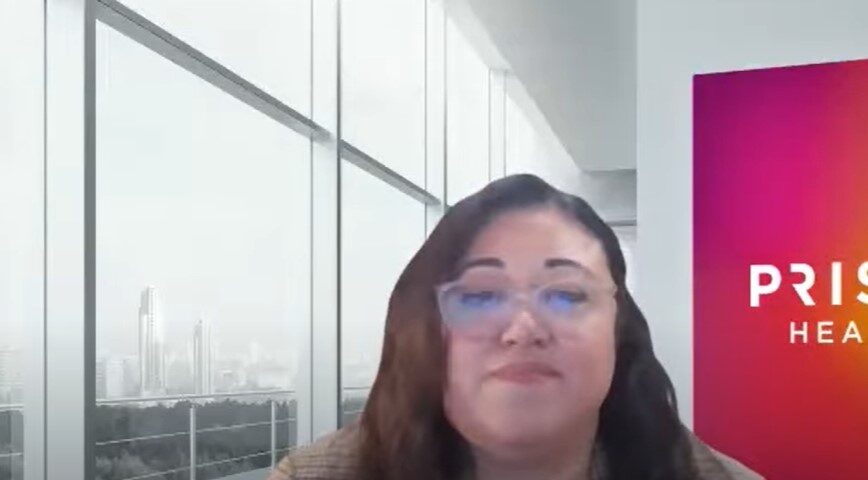
In this video, clinical neuropsychologist Marlene Cabrera, PsyD, spoke with us about the reality of life after stroke: what it looks like, what you need to know and how to thrive while looking forward to the future.
“A stroke can lead to a wide spectrum of effects, both physical and psychological, as well as cognitive. It depends on where the stroke occurred and how severe it was,” said Dr. Cabrera. “Physically, many individuals experience weakness or paralysis, often on one side of the body. Difficulties with coordination and balance are common, as is a struggle with speech and language.”
Stroke survivors often face memory loss, emotional volatility, difficulty with problem-solving and other cognitive shifts that can make it difficult to return to the life they were living before their stroke.
“Recovery involves addressing not just the physical rehabilitation, but also providing emotional and cognitive support,” said Dr. Cabrera.
Questions Dr. Cabrera answered about rebuilding your life after a stroke included:
- What does the recovery process after a stroke look like?
- How does the recovery process change from person to person?
- What is involved in stroke rehabilitation? Where does it usually take place?
- What are the short-term and longer-term goals of rehab after a stroke?
- How important is it for the stroke survivor to invest in their own recovery journey?
- How do caregivers at home help with stroke recovery?
- How can family members and loved ones help caregivers lessen their stress?
- Are there any programs that provide assistance to caregivers?
- What are some tips for adjusting to life at home after a stroke and how to manage recovery at home effectively?
- Are there new technologies or treatments to help with recovery after a stroke?
- What should you do if you ‘stall’ during your recovery?
- Should stroke survivors receive additional neuropsychology evaluations each year?
- And more
As always, keep in mind the BE FAST method for recognizing a potential stroke as it’s happening, and remember that the earlier someone suffering from a stroke receives care, the better their potential outcome will be.
- B – Balance off/dizzy
- E – Eyes blurred
- F – Face drooping
- A – Arm weakness
- S – Speech difficulty
- T – Time to call 911
Prisma Health Stroke Center
Time is critical when it comes to a stroke. Our team is on-site 24/7, with a multidisciplinary program of care and leading-edge approach for stroke patients.
Learn More