
What is freebirthing?
Expectant moms face a thousand choices over the course of their pregnancies, and one of the biggest is how they choose to give birth. Hospital-based birth remains the standard, with 98.3% of births in the United States happening within a hospital setting according to a study published in the American Journal of Obstetrics and Gynecology. However, other options like homebirths, laboring in birthing centers and a new trend called ‘freebirthing’ are increasingly seen as viable options for more pregnant people.
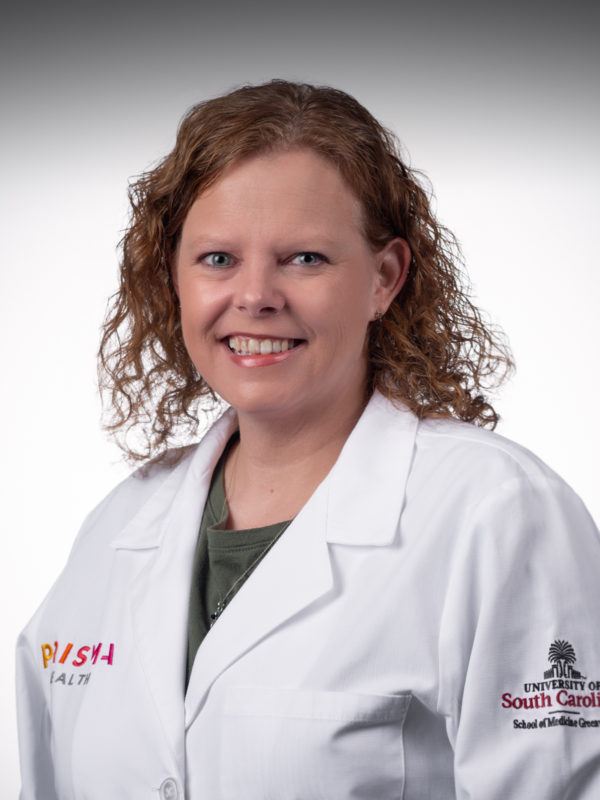
What is freebirthing? Certified nurse midwife Susan Cheek-Williams, CNM, explained why freebirth is different from a home birth and what makes this birthing trend uniquely dangerous.
What is freebirthing?
“There are two ways of handling pregnancy and birth that might fall under the term freebirthing,” said Cheek-Williams. “In one case, you might have a family who chooses not to have a physician or midwife present at all during the delivery, but the family may still have had prenatal care during the pregnancy.”
There is also another variation sometimes called a ‘wild birth.’ In these cases, expectant mothers choose not to receive any prenatal care or ultrasounds to check on the health of their developing babies.
How is freebirthing different than a home birth or midwife-assisted birth?
“In a typical home birth or birthing center delivery, a midwife is usually present for the delivery of the baby, and the pregnant person has had prenatal care,” said Cheek-Williams.
Midwives who attend home births may have learned through apprenticeship without going through the licensing process, but they may also be Certified Professional Midwives or Certified Nurse Midwives. CPMs go through a lengthy educational process and then pass a national exam.
Certified Nurse Midwives have at minimum a master’s degree, RN licensure and a national certification through the American Midwifery Certification board exam.
Why has freebirthing been in the news?
“Freebirthing has seen increased interest as distrust toward traditional medical care has increased,” said Cheek-Williams. “Social media influencers spread a false narrative claiming that this practice is safe, when frankly, it’s deeply dangerous for mother and baby.”
An online group called the Freebirth Society recently became well-known for providing encouragement to families to choose freebirth. They claim that freebirthing encourages women to “reclaim their sovereignty … and connect to how powerful they are,” while offering paid coaching, podcasts and courses. Notably, they also state they are not medical experts and take no responsibility for deaths or other poor birth outcomes.
“The creators of the Freebirth Society are two former doulas, and they consistently dismiss and downplay the importance of screening for known risks in pregnancy,” said Cheek-Williams. “They even accuse those who advocate for using evidence-based care of ‘fear mongering’ and have provided scripts for families to use with authorities if complications arise, including the death of the fetus or mother.”
Freebirthing has been linked to a number of deaths, including a well-known Australian influencer, Stacey Warnecke. According to the Australian Broadcasting Corporation, Mrs. Warnecke had a healthy newborn at home but succumbed to a postpartum hemorrhage following a freebirth in 2025. Her birth was attended by a “birthkeeper” who has since been ordered to appear in court to assist investigators in an attempt to prevent future danger to public health. This inquest has claimed that 7 newborns and 2 mothers have died as a result of freebirth in their area.
How dangerous is it to give birth without medical assistance?
“There are a lot of risks when it comes to giving birth without any kind of experienced, educated medical provider to handle potential emergencies that could happen during labor or delivery,” said Cheek-Williams. “There are even more risks when you think about the lack of prenatal care, leaving potentially harmful gestational conditions completely unidentified.”
One of the greatest risks is postpartum hemorrhage, which is one of the leading causes of maternal mortality worldwide. During pregnancy, the expectant mother’s blood volume increases from 100 ml/min to 700 ml/min, and if the uterus fails to contract after birth, the mother could lose a devastating and potentially fatal amount of blood very quickly.
Midwives who deliver out of hospital do carry lifesaving medications that can at minimum slow bleeding while transfer to hospital occurs and are also educated on bimanual compression to slow bleeding and reduce maternal mortality.
“It’s also essential for us to know how the baby is tolerating the stress of contractions during delivery,” said Cheek-Williams. “Continuous fetal monitoring isn’t always needed or recommended, but the ability to monitor the fetal heart rate is the standard of care worldwide for good reason. It helps us to respond to fetal distress and provide interventions if needed. In freebirthing, there isn’t any monitoring of fetal well-being.”
Why are people choosing freebirthing instead of giving birth at the hospital?
The common theme in families who feel drawn to the idea of freebirth is an understandable feeling that they don’t have autonomy or choice in a hospital setting, or like they will be labeled as ‘high risk,’ increasing anxiety and fear. Others may hesitate due to the potential cost of home birth midwives, who may or may not be able to take insurance.
For some, they may have had frightening or traumatic experiences in past births, making them want to avoid potentially having those negative experiences again.
“For many people who lean toward freebirthing, they believe unnecessary interventions are pushed on them in a hospital setting or like their choices are not respected, especially when it comes to being induced,” said Cheek-Williams. “Lack of informed consent is one of the most commonly listed concerns regarding hospital labor, delivery and postnatal care.”
Many women fear what is sometimes called ‘obstetric violence,’ where procedures like episiotomies, rupturing membranes, cervical exams or an undesired C-section are done without their consent.
Finally, ongoing distrust in vaccines and infant medical care fed by persistent misinformation campaigns has led to some families deciding against routine post-delivery care for their baby. These families may worry that they will be threatened with child protective services if they decline routine newborn medications or that medications will be administered without their consent.
Can working with a midwife benefit mothers-to-be who might otherwise choose freebirthing?
“Midwifery care offers prenatal screening and maternal/fetal assessments to help us make sure your pregnancy is healthy and identify any potential complications or risks,” said Cheek-Williams. Working with a midwife in a hospital setting is often referred to as the best of both worlds. Families have support for individualized birth plans and support for a low intervention birth while also having immediate medical care available for the mother or baby in the event it is needed.
Shared decision-making between midwife and expectant mother is the bedrock of the midwifery model of care, and studies have shown that in low-risk pregnancies, midwifery-led birth is a safe option.
Freebirthing, on the other hand, is a dangerous game of Russian roulette where you have to hope nothing goes wrong.
The right care helps you feel seen, heard and safe
“Expectant mothers come from every walk of life,” said Cheek-Williams. “Some will prefer to limit prenatal assessments and hope to deliver with little or no intervention, while others would love an ultrasound at every visit and choose to induce labor and utilize pain management like an epidural. Every pregnancy is different, and every expectant mother’s concerns deserve to be heard.”
While midwives are taught to provide pregnancy support through normal pregnancies and births, many also provide supportive care in collaboration with obstetricians. It’s not one or the other.
Finding providers who are more comfortable with less intervention such as intermittent fetal monitoring rather than continuous fetal monitoring, and deferring IV placement unless needed, can give women a greater understanding that their choices matter.
While many women don’t think too much about their birth plan ahead of time, it’s an important tool when it comes to speaking with your provider well in advance, as it gives you a blueprint for discussion.
“It is possible to have a low-tech-high touch delivery in a hospital setting with the right provider,” said Cheek-Williams. “Avoiding receiving prenatal, delivery and postnatal care entirely is not safe and risks severe complications including death. Many of the complications that can happen during delivery happen very, very quickly. Having an educated professional present for labor and birth saves lives.”
Find an OB/GYN provider who’s right for you
When you’re ready to grow your family, choosing the right provider is important. Learn more about our obstetricians, midwives and nurse practitioners.
Find a Provider