
7 tips to help you choose the right doctor
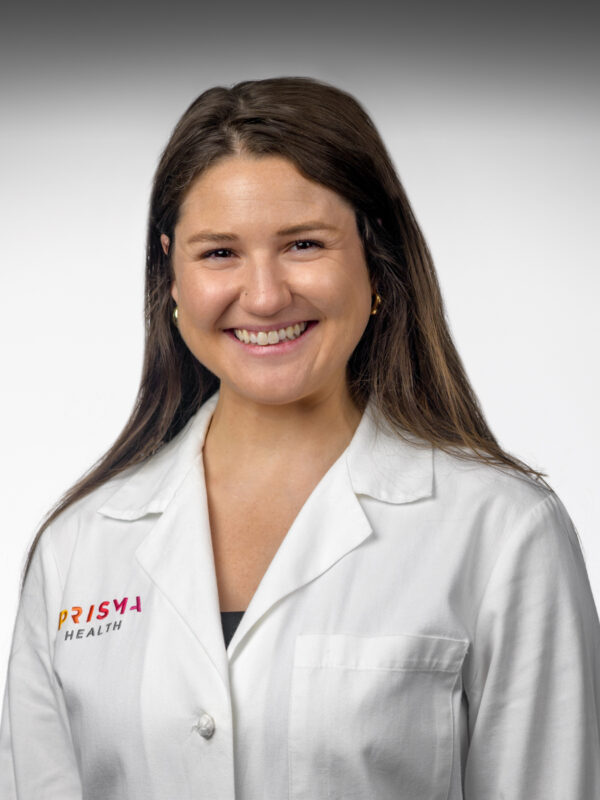
Whether you’ve recently moved somewhere new or you’re just looking to make a change, choosing the right doctor for you or your loved ones can feel like a pretty daunting part of your to-do list. Catherine Traylor, DO, offered seven tips to help you choose the right doctor for you and your family.
1. Think about the location
“Location may not be the most important factor when it comes to what doctor you’re most comfortable with, but it’s definitely important to keep in mind,” said Dr. Traylor.
The more out of the way your doctor’s office is, the more of an inconvenience it will be to your day when you need to stop into the office when sick, see a doctor for a well visit or simply come in for blood work or testing.
Make sure to choose a doctor’s office that is near to your home, work or at least close to some part of your usual daily routine. The more conveniently your doctor’s office is located, the less stress it will be making it there for appointments.
2. Review your health insurance coverage
“Make sure the doctor you choose is in your network so you can get the most out of your health insurance coverage,” said Dr. Traylor.
Knowing what your insurance covers and what it doesn’t can be confusing. Before deciding on a specific doctor’s office, give your health insurance provider a call and double-check on your coverage to ensure there won’t be any surprise costs.
3. Find a doctor who specializes in your health care needs
“For those with ongoing health conditions or unique needs, you’ll want to find a doctor who has experience and expertise with your specific health condition. That can take a little bit of legwork to be sure,” said Dr. Traylor.
Look up your doctor’s profile online, where you’ll often find not only what office(s) they practice out of but also a closer look at their medical interests and experience. You can also call the office and ask about your condition before you schedule your first appointment.
4. Consider availability
“A doctor’s office is a busy place, so you may find researching the doctors who practice in your chosen location before you schedule your appointment to be helpful for getting a sense of what to expect,” said Dr. Traylor.
She recommended going online to find out which doctors are accepting new patients or calling the office to ask the practice directly.
5. Ask around for recommendations
“Word-of-mouth is one of the best ways to find a physician you feel confident with,” said Dr. Traylor. “Ask family and friends in the area what doctor they would recommend.”
Referrals are a great way to get started on your journey to finding a new doctor, especially since your friend or family member may be able to give you a better idea about the doctor’s office, how the appointments tend to go and more.
6. Research the doctor online
“There is a lot of information that can be reviewed online, including reviews and ratings,” said Dr. Traylor. “Be sure to check them out as part of your research. Some doctors have video profiles that can give you some insight into their personality and approach to care.”
Keep in mind, though, that there can be less-than-truthful information out there as well. Focus on reviews that come directly from current patients. These are typically found on a doctor’s profile with their associated health care organization.
7. Understand the doctor’s network
“Look into the network the doctor is part of to understand the services available to you as a patient should you need care beyond an office visit, such as imaging, labs or surgery,” said Dr. Traylor.
You may find other physicians with the same network who are a better fit for your location or medical needs. You also may want to speak with your health insurance provider about the network to ensure that testing, labs and other physicians within the health care network would still be covered.
Bonus tip to help you choose the right doctor
Dr. Traylor offered a bonus tip for making sure your new doctor is the right choice for you.
- Start things off with a well visit. That way, you both can get to know one another without the added pressure of a health crisis. A concise general physical and lab screening, even when healthy, may reveal a condition that is not yet showing signs or symptoms.
“Preventive medicine is the preferred approach to health, but even if a condition cannot be prevented, early treatment is often associated with better outcomes,” said Dr. Traylor.
Find the care you need, close to home
Our primary care physicians provide well visits and everyday care when you need it with compassion and expertise.
Find Primary Care Near You