

In this short video, Celia Beauchamp, registered dietitian and certified diabetes care and education specialist with the Diabetes Self-Management and Support Program, offered healthy eating tips for those with diabetes. Her advice included answers to commonly asked questions about diabetes and diet, including: You can find even more nutritional tips, answers to common questions about […]
Diabetes
How technology helps you manage your diabetes

Research around diabetes is always evolving, and recently introduced technologies like the continuous glucose monitor (or CGM) can help control diabetes by estimating your glucose level every few minutes, determining trends on blood sugar levels over time. Readings are conveniently available using either an app on your phone or a Bluetooth-connected device. Insulin pumps have […]
Managing the side effects of diabetes

High blood sugar or glucose levels often lead to excessive thirst and urination, causing dehydration. Neuropathy can cause pain, tingling or numbness throughout the body and cause issues with the heart, stomach and other organs. Sleep apnea is common with diabetes, causing interrupted sleep with the potential for dangerous side effects. Diabetes can cause problems […]
Surprising things that can affect blood sugar

“First off, caffeine,” said Agostino. “Caffeine can cause a rise in the stress hormone cortisol, which can cause a rise in blood sugar levels.” Agostino also noted that many medications like steroids, decongestants, beta blockers, statins and certain antibiotics can affect blood sugar levels or even mask the symptoms of changes in blood sugar that […]
Does a high A1c test mean you have diabetes?
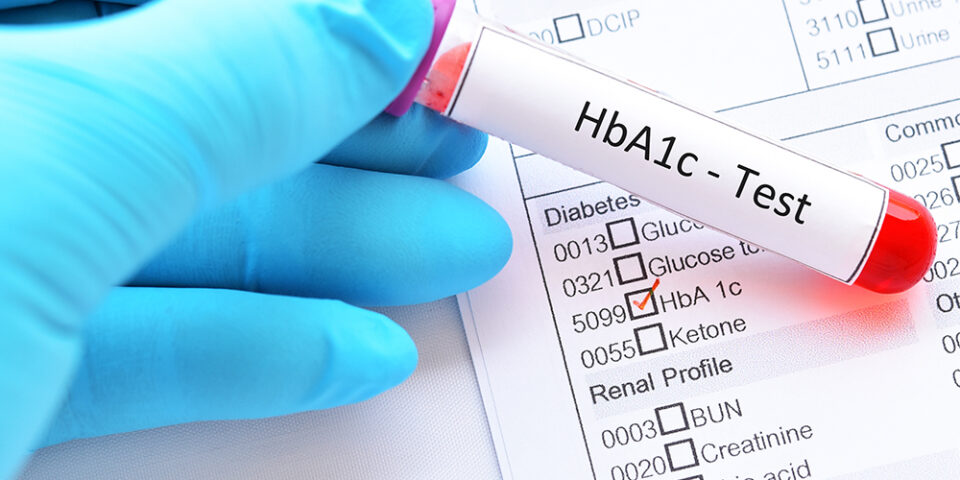
Does a high A1c test mean you have diabetes? Sandra Hardee, MD, explained what it means if your A1c test result is too high and what to do next.
Diabetes vs. insulin resistance: What’s the difference?

“Insulin resistance isn’t the same thing as having diabetes,” said Schult. “Instead, it’s your body’s inability to use your insulin efficiently.” While insulin resistance can indeed be a precursor to developing diabetes, it often occurs years before a diagnosis of either prediabetes or diabetes itself. This condition may not show up on the more generalized […]